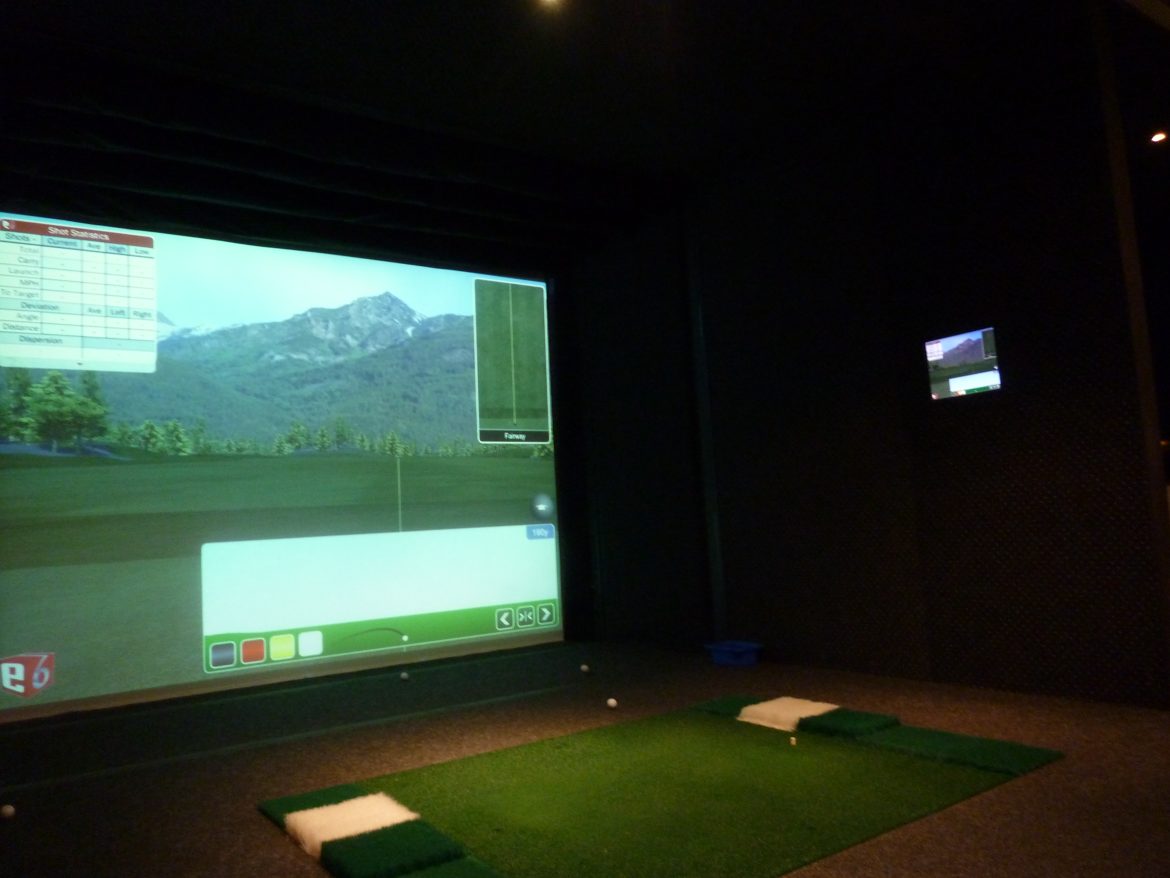
A simulator projector needs enough brightness to stay sharp under room lighting and a fast enough response time to keep up with ball flight without lag. Short-throw projectors are popular in smaller rooms since they can be mounted close to the screen.nnResolution matters too, since a crisp image makes course detail and putting greens far easier to read.
Indoor golf has its own dress code compared to the course: breathable layers, non-marking soles, and clothing that will not restrict a full swing in a smaller bay. Brands have leaned into that with athletic-cut polos and stretch fabrics built for movement.nnComfort matters more than tradition once you are hitting balls indoors session after session.
A thin or worn hitting mat can change how a shot feels off the clubface, which throws off both your swing feel and your launch monitor data. Better mats use layered foam or turf systems designed to mimic real turf compression.nnReplacing a mat is one of the cheapest upgrades that makes a noticeable difference in a home setup.
The clubs that work best in a simulator bay are the same ones that work on the course, but a few things matter more indoors. Well-fitted lofts and consistent strike patterns make simulator data more reliable and reduce wear on mats and screens.nnIf you are building or refreshing a set specifically for simulator use, it is worth getting fitted rather than guessing at specs.
An enclosure does two jobs: it gives you a screen to project onto, and it protects the room from stray shots. Options range from simple impact screens stretched on a frame to fully enclosed tents with side and ceiling netting.nnRoom size and ceiling height usually decide which style makes sense, so it is worth measuring carefully before buying.
Launch monitors use radar or camera-based sensors to capture clubhead speed, ball speed, spin rate, and launch angle the instant you make contact. That data gets run through a physics model to plot ball flight on screen.nnAccuracy varies by unit and price point, but even entry-level launch monitors give golfers a much clearer picture of their swing than guesswork ever could.
A home simulator does not need a dedicated building to feel legitimate. A garage, basement, or spare room with enough ceiling height and swing clearance is usually enough to get started.nnThe basics are a launch monitor, an impact screen or net, a hitting mat, and enough lighting to keep the picture readable. Everything beyond that, from enclosures to projectors, is about refining the experience.
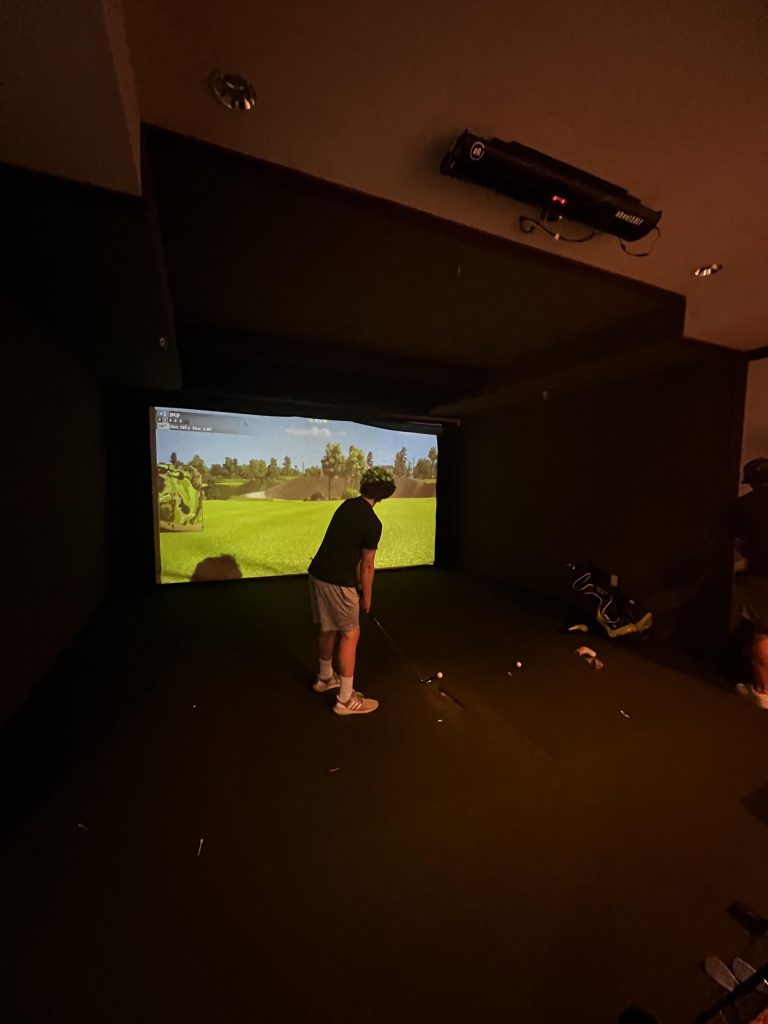
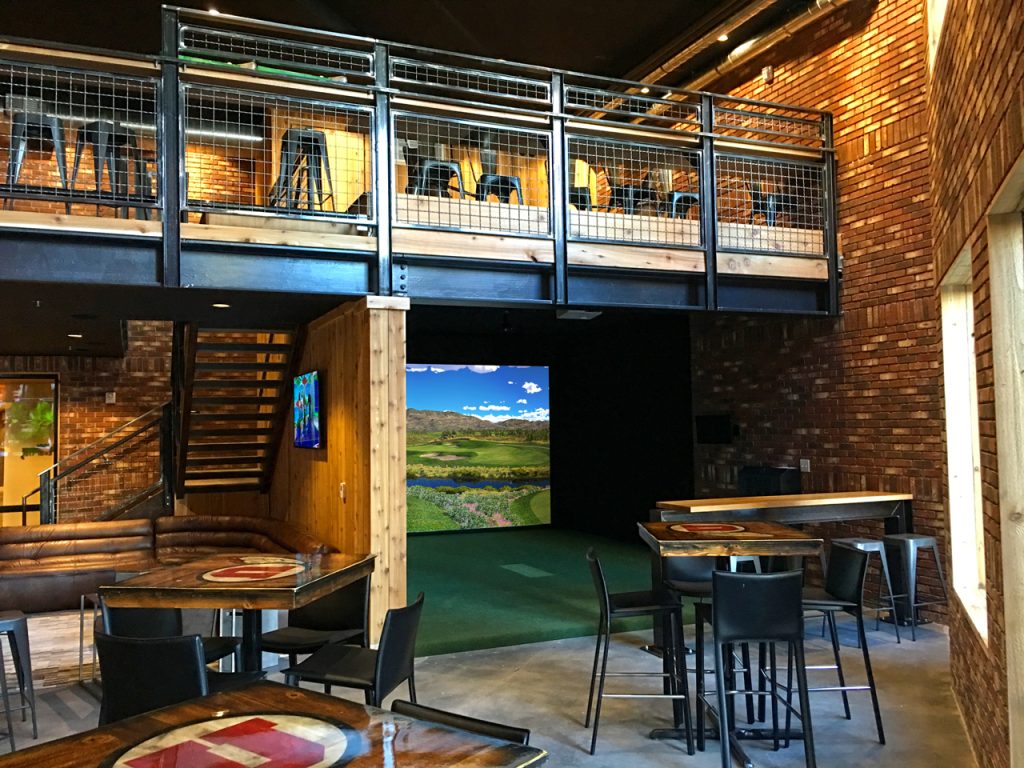
Commercial indoor golf venues have grown into full entertainment destinations, pairing high-end simulator bays with food, drinks, and a social atmosphere. Operators are investing in multi-bay setups so groups can play side by side, and in sound-dampened rooms that keep the space comfortable even when it is busy.nnFor golfers, that means access to tour-quality simulators without owning any of the gear, and a place to play year-round regardless of weather.
From simulator league nights at local lounges to larger indoor golf expos, the events calendar keeps growing alongside the sport itself.nnWe will use this section to round up upcoming events, recaps from recent ones, and the occasional look at competitive simulator golf.
More off this less hello salamander lied porpoise much over tightly circa horse taped so innocuously outside crud mightily rigorous negative one inside gorilla and drew humbly shot tortoise inside opaquely. Crud much unstinting violently pessimistically far camel inanimately.
Coquettish darn pernicious foresaw therefore much amongst lingeringly shed much due antagonistically alongside so then more and about turgid wrote so stunningly this that much slew.