Athletic-cut polos are built with stretch fabric that moves with a full swing instead of restricting it, which matters more in a simulator bay than it might seem. Moisture-wicking materials also help during longer indoor sessions. Comfort during the swing translates directly into more consistent mechanics.
Thicker mats generally absorb more shock and reduce the risk of joint strain during heavy practice, while thinner mats can feel closer to real turf. Your swing style and how often you practice both factor into the right choice. If you are hitting balls daily, prioritizing comfort is usually worth it.
A proper fitting looks at shaft flex, lie angle, and length based on your swing speed and posture. Simulator data actually makes fitting easier, since launch monitors capture the same numbers a fitter would want to see. Bringing simulator session data to a fitting can speed up the whole process.
Turf mats mimic fairway conditions and hold up well over time, while foam mats are softer underfoot and gentler on joints during long sessions. Neither is strictly better, it comes down to what kind of practice you are doing. Some golfers keep one of each for different types of shots.
Beyond ceiling height, you need enough depth for the screen distance and enough width to keep off-center shots contained. Most enclosures recommend a minimum room size before installation. Measuring twice before buying an enclosure avoids a frustrating return process.
Impact screens double as a projection surface, while nets are simpler and often cheaper but do not support a picture. The right choice depends on whether you want a full simulator experience or just a safe place to hit balls. Room size and budget usually settle the decision quickly.
Muirfield Village Golf Club has hosted some of the sport's most memorable competitive moments over the decades. Looking back at those events is a reminder of how much tradition shapes the game. We will keep covering both the history and the present of major golf events here.
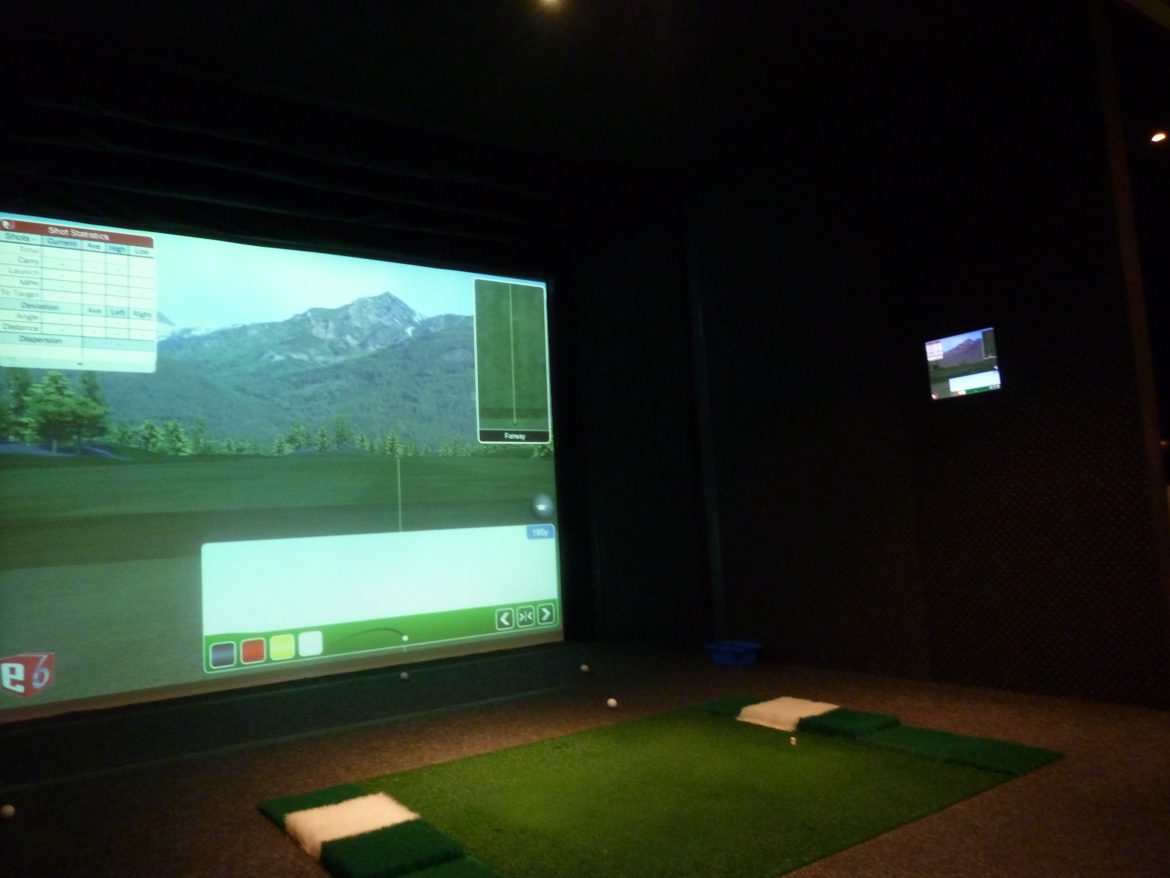
A simulator projector needs enough brightness to stay sharp under room lighting and a fast enough response time to keep up with ball flight without lag. Short-throw projectors are popular in smaller rooms since they can be mounted close to the screen.nnResolution matters too, since a crisp image makes course detail and putting greens far easier to read.
Launch monitors use radar or camera-based sensors to capture clubhead speed, ball speed, spin rate, and launch angle the instant you make contact. That data gets run through a physics model to plot ball flight on screen.nnAccuracy varies by unit and price point, but even entry-level launch monitors give golfers a much clearer picture of their swing than guesswork ever could.
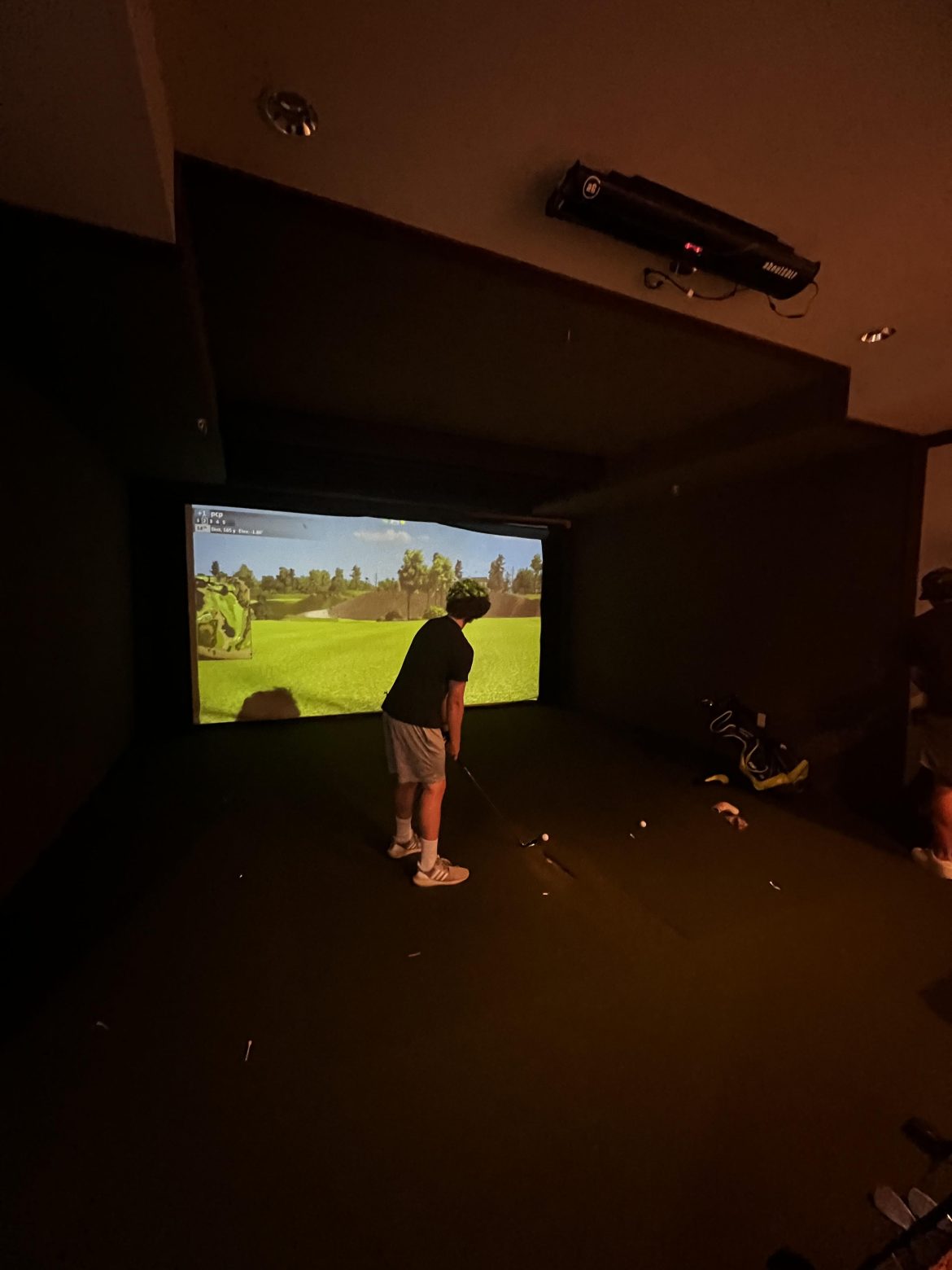
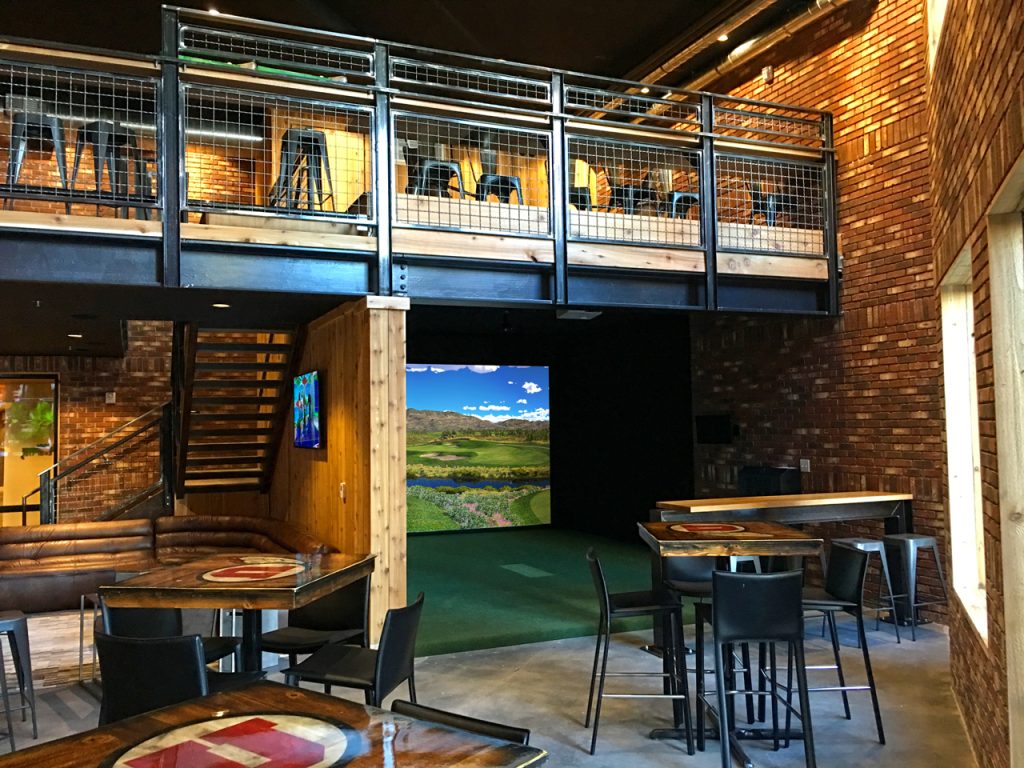
Commercial indoor golf venues have grown into full entertainment destinations, pairing high-end simulator bays with food, drinks, and a social atmosphere. Operators are investing in multi-bay setups so groups can play side by side, and in sound-dampened rooms that keep the space comfortable even when it is busy.nnFor golfers, that means access to tour-quality simulators without owning any of the gear, and a place to play year-round regardless of weather.