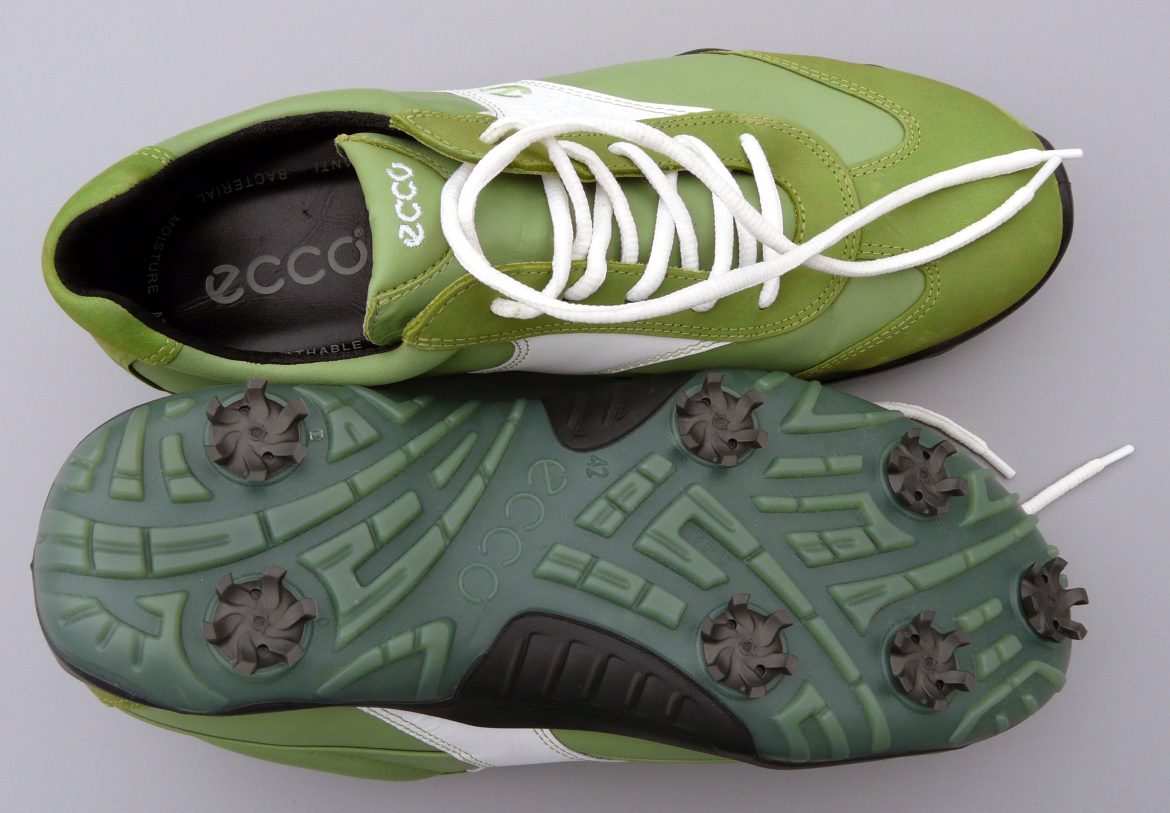
Wiping down soles after each session keeps grip consistent and prevents buildup that can scuff hitting mats. Letting shoes air out between uses also helps them last longer. A little routine maintenance goes a long way for gear you use several times a week.
Alignment sticks are one of the cheapest tools for turning simulator feedback into real swing changes, whether you are checking stance, swing path, or ball position. A couple of sticks and a few drills go a long way. They pack small enough to keep in a bag permanently.
Camera-based units capture high-speed images of the club and ball at impact, while radar-based units track the ball's flight path after it leaves the clubface. Each approach has strengths depending on room size and budget. Knowing the difference helps you pick a launch monitor that fits your space instead of fighting it.
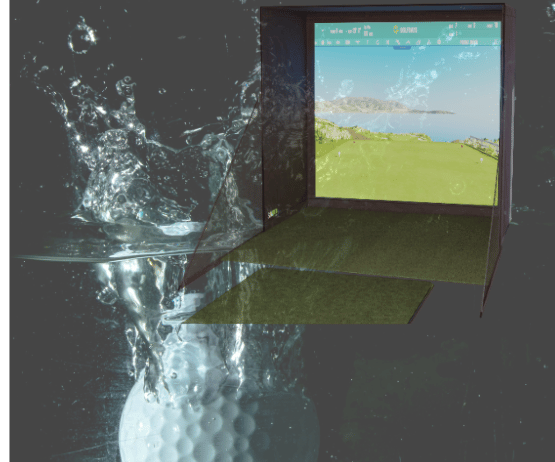
Impact screens double as a projection surface, while nets are simpler and often cheaper but do not support a picture. The right choice depends on whether you want a full simulator experience or just a safe place to hit balls. Room size and budget usually settle the decision quickly.
Some golfers keep a separate set just for simulator use to avoid extra wear from mats on their primary clubs. It is not necessary for casual players, but frequent simulator golfers often notice the difference in grip and face wear over time. If you play indoors several times a week, a dedicated set can be worth the investment.
Acoustic panels, thick mats, and a solid door seal all help keep swing noise from traveling through the house. Even simple additions like rugs and curtains can noticeably cut down on echo. A quieter room also tends to feel more focused, which makes practice sessions more productive.
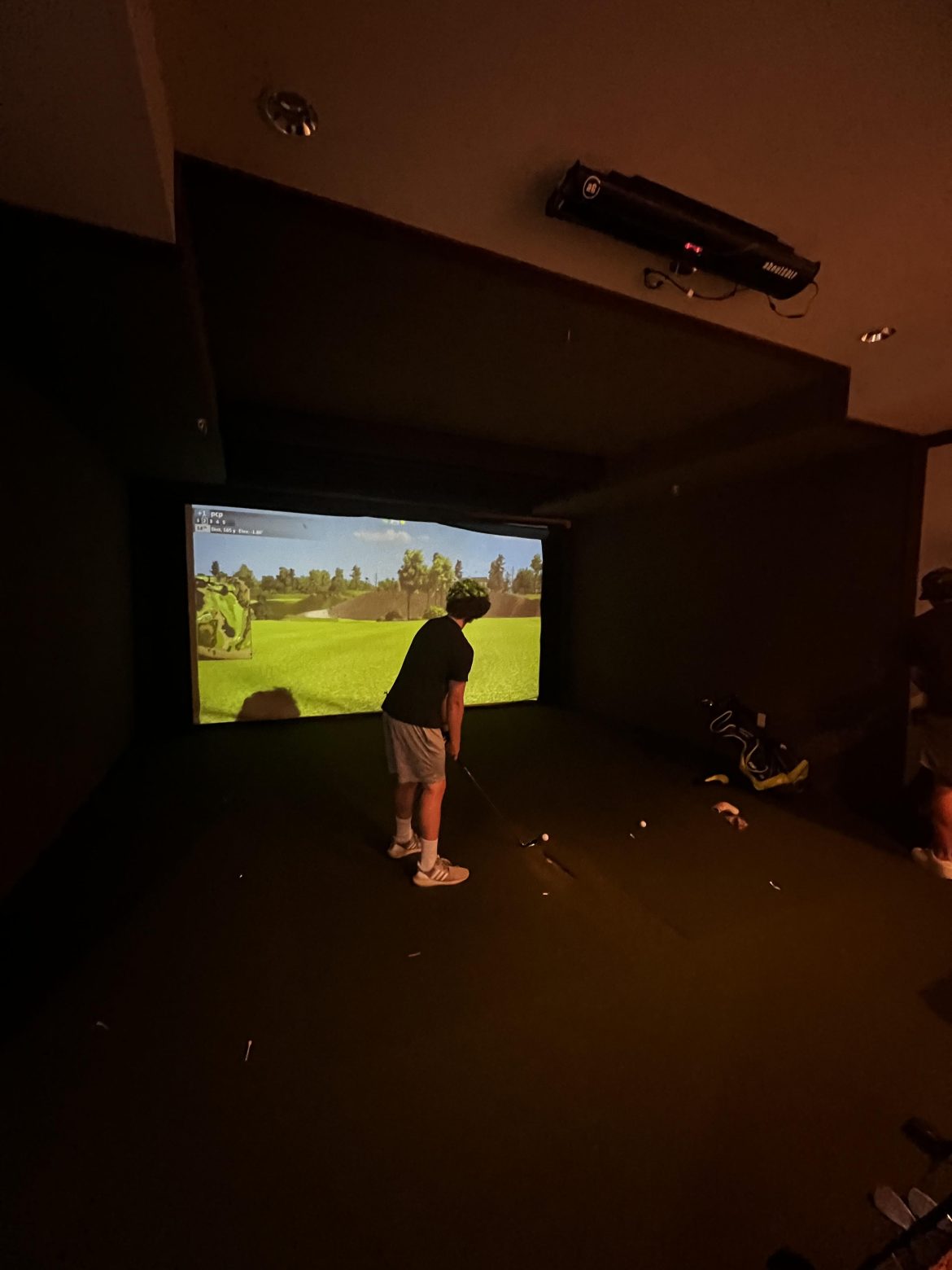
Garages offer more ceiling height and easier ventilation, while basements tend to be quieter and better insulated from outside noise. Both work, but each comes with its own set of tradeoffs around climate control and space. Measuring your available swing radius before committing to a room will save headaches later.
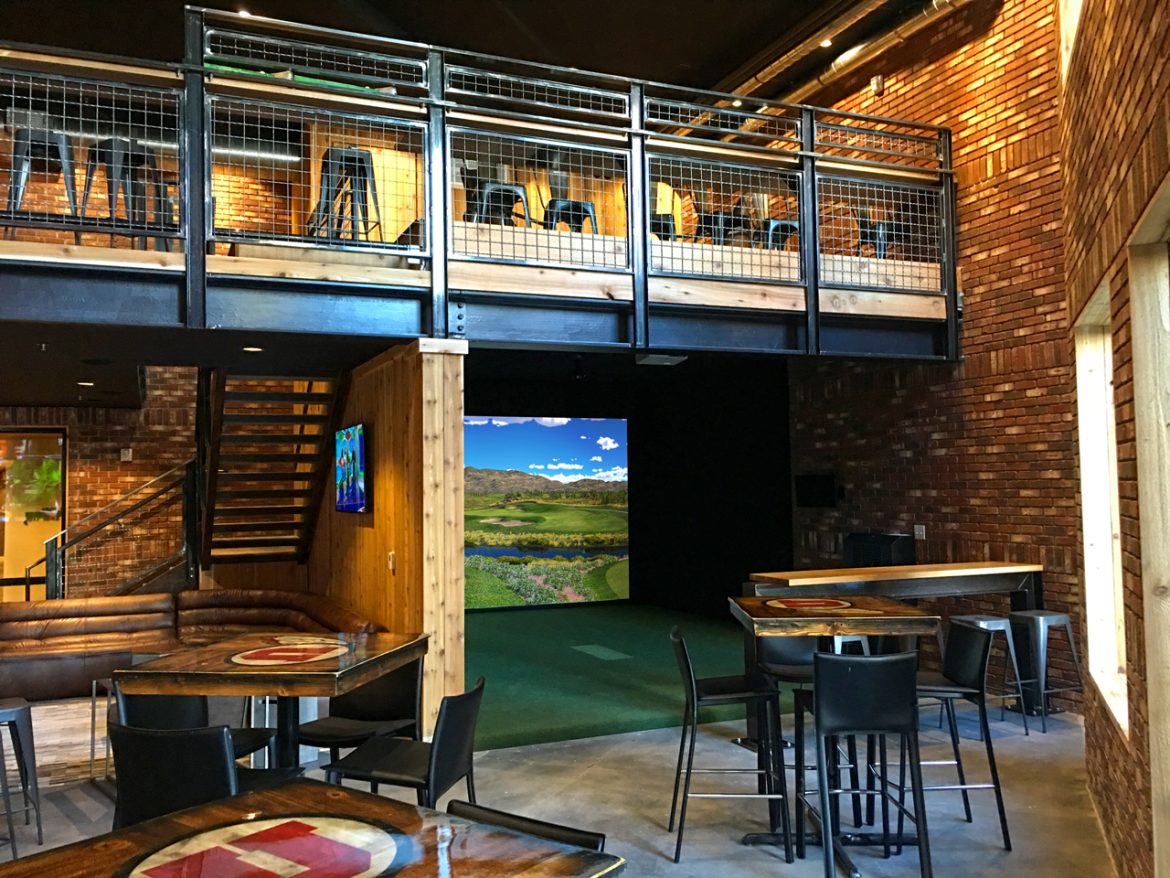
The best lounges combine tour-level simulator hardware with comfortable seating, good lighting, and a layout that keeps groups close without crowding the swing area. Small details, like clean screens and well-maintained mats, go a long way toward making a space feel worth returning to.
Thicker mats generally absorb more shock and reduce the risk of joint strain during heavy practice, while thinner mats can feel closer to real turf. Your swing style and how often you practice both factor into the right choice. If you are hitting balls daily, prioritizing comfort is usually worth it.
Bay pricing usually comes down to peak demand, bay count, and whether food and drink service is part of the experience. Off-peak hours tend to be cheaper, and many venues offer monthly memberships for regulars. Understanding how pricing works makes it easier to know when to book and what kind of value you are actually getting.